
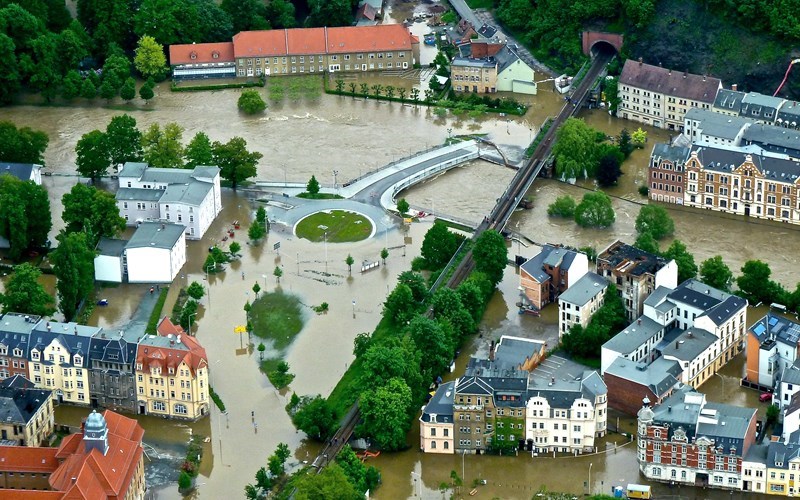
Economic Losses from Natural Disasters Reached USD 111 Billion in the First Half of 2026
According to Aon’s 2026 Mid-Year Global Catastrophe Recap Report, global economic losses from natural disasters amounted to USD 111 billion in the first six months of 2026. This figure was 25% below the 21st-century average and represented the lowest first-half economic loss recorded since 2018.
However, 23 disasters causing economic losses exceeding USD 1 billion occurred in the first half of the year. While this figure was in line with the long-term average, 13 disasters resulted in insured losses of at least USD 1 billion. As a result, the number of disasters generating billion-dollar insured losses exceeded the historical average. According to the report, 57% of economic losses remained uninsured, indicating that the insurance protection gap continues to remain high.
The report prepared by Aon, which operates in more than 120 countries with its global experience and local solutions in risk solutions and human capital solutions, reveals that although economic losses have declined compared with previous years, climate-related risks continue to grow without slowing down.
Regional Disasters Came to the Forefront
The report identifies the Venezuela earthquake as the most significant disaster of the first half of the year.
Two major earthquakes that struck Venezuela on 24 June 2026 caused the deaths of more than 4,800 people, while many people are still reported missing. The report estimates that the economic impact of these earthquakes is between USD 20 billion and USD 30 billion. It notes that this figure may change in the coming period as damage assessment efforts continue.
The report also highlights Portugal’s costliest windstorm on record and severe convective storms that affected the United States among the other notable events. The findings emphasize that natural disaster risk should be assessed not only based on total economic losses but also by considering the impacts of disasters on the regions where they occur, people, infrastructure, operations, and supply chains.
Severe Convective Storms in the US Became the Most Costly Disaster Type for the Insurance Sector
Severe convective storms, including hail, severe winds, and tornadoes, continued to be the most costly disaster type for the global insurance sector.
The severe convective storm that occurred in the US between 23–29 April 2026 was recorded as the largest insured natural catastrophe event of the first half of the year, with insured losses exceeding USD 5 billion.
According to the report, natural disasters in the US generated approximately USD 36 billion in insured losses, accounting for 75% of global insured losses in the first half of the year. During the same period, the US experienced 11 billion-dollar insured loss events; nine of these were caused by severe convective storms, while two were caused by winter storms.
Record Temperatures in Europe Caused Thousands of Deaths
The report also reveals that the impacts of natural disasters in the first half of 2026 were not limited to economic losses.
By the end of June, 17 European countries had recorded their highest June temperatures on record, while temperatures exceeded 40°C in many parts of the continent. This heatwave caused the deaths of more than 1,000 people across several countries, particularly France, the United Kingdom, Spain, and Belgium, becoming one of Europe’s most significant recorded heatwave events.
Total Losses Must Be Evaluated Alongside Less Visible Risks as Well
Commenting on the report findings, Aon Türkiye Co-CEO Selda Oknas Tanbay said:
“The first half of 2026 once again demonstrated that assessing natural catastrophe risks solely through total economic losses is not sufficient. Regional events such as the Venezuela earthquake, record heatwaves in Europe, and severe convective storms in the US reveal new areas of risk that may not always be reflected in economic losses but have significant impacts on people, businesses, and economies. The fact that the insurance protection gap remains at 57% highlights the importance of solutions that enhance financial resilience against natural disasters. At Aon, through our data-driven insights and risk capital solutions, we support our clients in making more informed and resilient decisions not only against today’s climate risks but also against the climate risks of the future.”
The top five global disasters causing the highest economic losses in the first half of 2026 were as follows:
|
Disaster |
Date |
Country |
Number of Deaths |
Economic Loss (USD billion) |
|
Venezuela Earthquake |
24/06 |
Venezuela |
4,800+ |
20.0–30.0 |
|
US Severe Convective Storm (SCS) Wave |
23/04–29/04 |
US (Midwest, Southwest, Southeast) |
0 |
6.5 |
|
US Severe Convective Storm (SCS) |
10/03–12/03 |
US (Central, East) |
2 |
5.0 |
|
China Seasonal Floods |
16/05–30/06 |
China |
124 |
4.9 |
|
Winter Storm Fern & Freezing Temperatures |
23/01–06/03 |
US (Central, East) |
132 |
4.7 |
*Preliminary estimates. Figures may be updated following final damage assessments.
The full report can be accessed [here].